


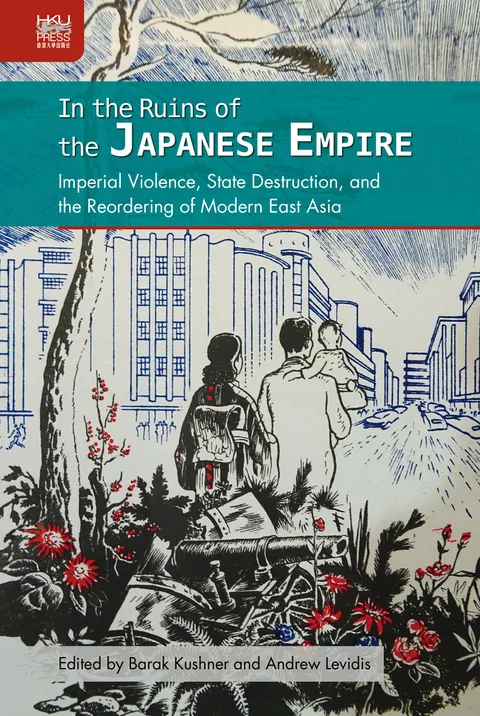
日本帝國的崩解:帝國暴力、國家毀滅與戰後東亞秩序的重整 - Edited by Barak Kushner and Andrew Levidis - 文宇宙|Bookniverse
日本帝國的崩解:帝國暴力、國家毀滅與戰後東亞秩序的重整
Edited by Barak Kushner and Andrew Levidis
US $25.60
US $32.00

2020/02
|

9789888842230
|

ePub
|

香港大學出版社
 copy
copy書籍簡介
查看更多歷史 > 亞洲歷史 > 日本
人文社科 > 政治 > 政治制度史
In the Ruins of the Japanese Empire concludes that early East Asian Cold War history needs to be studied within the framework of post-imperial history. Japan’s surrender did not mean that the Japanese and former imperial subjects would immediately disavow imperial ideology. The end of the Japanese empire unleashed unprecedented destruction and violence on the periphery. Lives were destroyed; names of cities altered; collaborationist regimes—which for over a decade dominated vast populations—melted into the air as policeman, bureaucrats, soldiers, and technocrats offered their services as nationalists, revolutionaries or communists. Power did not simply change hands swiftly and smoothly. In the chaos of the new order, legal anarchy, revenge, ethnic displacement, and nationalist resentments stalked the postcolonial lands of northeast Asia, intensifying bloody civil wars in societies radicalized by total war, militarization, and mass mobilization.
Kushner and Levidis’s volume follows these processes as imperial violence reordered demographics and borders, and involved massive political, economic, and social dislocation as well as stubborn continuities. From the hunt for “traitors” in Korea and China to the brutal suppression of the Taiwanese by the Chinese Nationalist government in the long-forgotten February 28 Incident, the research shows how the empire’s end acted as a catalyst for renewed attempts at state-building. From the imperial edge to the metropole, investigations shed light on how prewar imperial values endured during postwar Japanese rearmament and in party politics. Nevertheless, many Japanese actively tried to make amends for wartime transgressions and rebuild Japan’s posture in East Asia by cultivating religious and cultural connections.
作者簡介
查看更多Edited by Barak Kushner and Andrew Levidis
Barak Kushner is professor of East Asian history at Cambridge University.
Andrew Levidis is lecturer in the School of Language and Global Studies at the University of Central Lancashire.
出版社簡介
查看更多香港大學出版社成立於1956年,隸屬於亞洲最具影響力的英語學府——香港大學。出版社每年出版逾三十種新書,且中文書的比例持續增加,現已超過四分之一。憑藉香港獨特的國際地位,香港大學出版社的書籍深入探討、審視並彰顯亞洲在世界中的角色。我們在中國歷史與文化、法律、公共衛生、社會工作、電影與媒體研究、藝術,以及建築與城市規劃等領域的出版物尤為享有盛譽。
閱讀資訊
請安裝 Android 和 iPad/iPhone 「文宇宙」應用程式。這個應用程式會自動與您的帳戶保持同步,讓您隨時隨地上網或離線閱讀。


