


疾病、殖民主義和國家:瘧疾在近代東亞史 - Edited by Ka-che Yip - Bookniverse
疾病、殖民主義和國家:瘧疾在近代東亞史
Edited by Ka-che Yip
US $25.60
US $32.00

2009/05
|

9789888052219
|

PDF
|

香港大學出版社
 copy
copyAbout this book
View more历史 > 亚洲历史
医疗保健 > 疾病百科
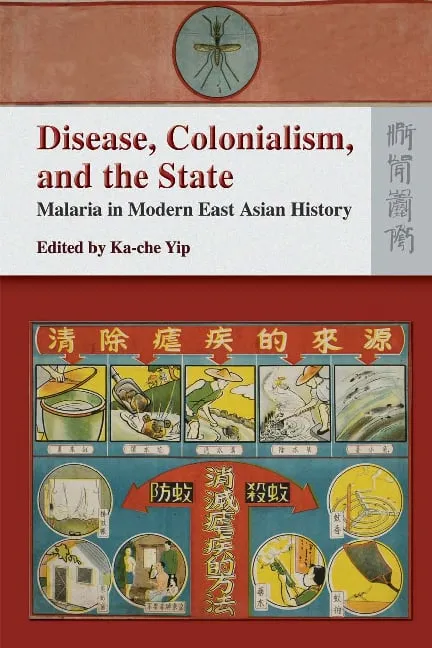
Studying malaria in modern East Asia in the context of the global history of the disease, this book fills an important gap in our understanding of the cultural, social, economic, and political dimensions of the relationship between malaria and human society in a region which has often been neglected by historians of the disease.
The authors examine the development and consequences of various anti-malaria strategies in Hong Kong, Okinawa, Taiwan, mainland China, and East Asia as a whole. The British and Japanese colonial models of disease control are explored, as is the later American technological model of DDT residue spraying, promoted by the Rockefeller Foundation which played a significant role in the global anti-malaria campaign and the development of public health in Asia.
In the post- World War II period, the use of DDT and international political and economic interests helped to shape anti-malaria policies of the Nationalist government in Taiwan. In mainland China, the Beijing government's mass mobilization and primary health care model of anti-malaria control has given way to new strategies as recent changes in the health care system have affected anti-malaria efforts and public health developments.
This book illuminates an important and largely unexplored dimension of the history of malaria: the interplay of the state (colonial or sovereign), international interests, new medical knowledge and technology, changing concepts of health and disease, as well as local society in the formulation and implementation of anti-malaria policies. It will be of interest to historians of colonialism, medicine and public health, Asia, as well as health and social policy planners.
About the author(s)
View moreEdited by Ka-che Yip
Ka-che Yip is professor of history at the University of Maryland Baltimore County. In addition to numerous articles, he is the author of Health and National Reconstruction in Nationalist China and Religion, Nationalism, and Chinese Students. His research interests include the medical activities of Christian missionaries, the development of modern health services, and the history of public health and diseases in modern and contemporary China.
About the publisher
View more香港大學出版社成立於1956年,隸屬於亞洲最具影響力的英語學府——香港大學。出版社每年出版逾三十種新書,且中文書的比例持續增加,現已超過四分之一。憑藉香港獨特的國際地位,香港大學出版社的書籍深入探討、審視並彰顯亞洲在世界中的角色。我們在中國歷史與文化、法律、公共衛生、社會工作、電影與媒體研究、藝術,以及建築與城市規劃等領域的出版物尤為享有盛譽。
Reading information
Install the Bookniverse app for Android and iPad/iPhone . It syncs automatically with your account and allows you to read online or offline wherever you are.


