


論「挽救面子」:西方挪用簡史 - Michael Keevak - Bookniverse
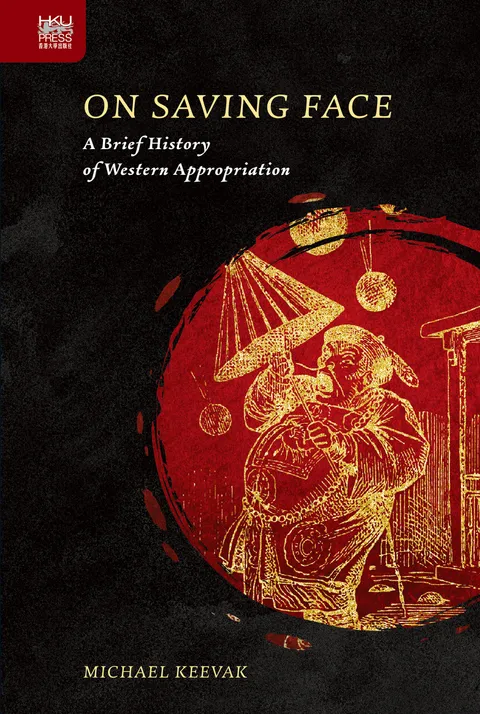
論「挽救面子」:西方挪用簡史
Michael Keevak
US $26.40
US $33.00

2022/06
|

9789888805907
|

ePub
|

香港大學出版社
 copy
copyAbout this book
View more歷史 > 歷史專題研究
人文社科 > 當代思潮 > 文化研究/評論
In On Saving Face, Michael Keevak traces the Western reception of the Chinese concept of “face” during the past two hundred years, arguing that it has always been linked to nineteenth-century colonialism. “Lose face” and “save face” have become so normalized in modern European languages that most users do not even realize that they are of Chinese origin. “Face” is an extremely complex and varied notion in all East Asian cultures. It involves proper behavior and the avoidance of conflict, encompassing every aspect of one’s place in society as well as one’s relationships with other people. One can “give face,” “get face,” “fight for face,” “tear up face,” and a host of other expressions. But when it began to become known to the Western trading community in China beginning in the middle of the nineteenth century, it was distorted and reduced to two phrases only, “lose face” and “save face,” both of which were used to suggest distinctly Western ideas of humiliation, embarrassment, honor, and reputation. The Chinese were judged as a race obsessed with the fear of “losing (their) face,” and they constantly resorted to vain attempts to “save” it in the face of Western correction. “Lose face” may be an authentic Chinese expression but “save face” is different. “Save face” was actually a Western invention.
About the author(s)
View moreMichael Keevak
Michael Keevak is a professor in the Department of Foreign Languages at National Taiwan University. His books include Embassies to China: Diplomacy and Cultural Encounters Before the Opium Wars (2017), Becoming Yellow: A Short History of Racial Thinking (2011), The Story of a Stele: China’s Nestorian Monument and Its Reception in the West, 1625–1916 (HKUP, 2008), The Pretended Asian: George Psalmanazar’s Eighteenth-Century Formosan Hoax (2004), and Sexual Shakespeare: Forgery, Authorship, Portraiture (2001).
About the publisher
View more香港大學出版社成立於1956年,隸屬於亞洲最具影響力的英語學府——香港大學。出版社每年出版逾三十種新書,且中文書的比例持續增加,現已超過四分之一。憑藉香港獨特的國際地位,香港大學出版社的書籍深入探討、審視並彰顯亞洲在世界中的角色。我們在中國歷史與文化、法律、公共衛生、社會工作、電影與媒體研究、藝術,以及建築與城市規劃等領域的出版物尤為享有盛譽。
Reading information
Install the Bookniverse app for Android and iPad/iPhone . It syncs automatically with your account and allows you to read online or offline wherever you are.


